Thursday, April 12, 2012
Comparisons
I checked out Cracked.com first, which is noted for its highly humorous tone and style. Most of their articles are presented in lists and frequently use captions and images to further provide humor. The writing is typically informal and often involves slang and profanity. Often, the writers reference geek humor and pop culture, thus having a broad appeal to several different types of audiences. Sources are often just direct links though, so it is not very professional. Another publication I looked at was Pitchfork.com, a music site. Pitchfork has a bit of a bad reputation for being pompous and overtly-critical in regards to its musical opinions. They are often deemed only for hipsters. While I think there is some legitimacy to this claim, it is not as bad as people depict it. Though the writing can be overly serious, it does go into some criticism that isn't popular to acknowledge and I respect that of them. Because it is largely opinion driven, there are no real sources. Articles are structured with a score towards the top of the page and a detailed review on the bottom.

Friday, March 23, 2012
Narrative Prompt
Often, insults are thrown about like they are meaningless. At older ages, most of us we understand the concepts of sarcasm and know when there are times when it is better to stay silent than to cause unnecessary controversy. However, at a younger age, we were unrestrained and ignorant to social courtesy, often letting our inconsiderate thoughts out even if it could potential harm another. A common social norm is that even though insults, teasing, etc. can be hurtful, it is just a part of growing up. I can subscribe to this ideal, as sarcasm is just another form of humor. However, I think there comes a point where insults start crossing the line and becoming incredibly scaring on young psyches. This is a constant issue at schools, and even though we acknowledge that it is there, we do little to truly counter it. It does not take long for simple childish fun to turn into personal persecution and abuse. Since I have had to deal with these issues, I know of how even innocent teasing can turn into torment after prolonged abuse. There are some repercussions that I seriously believe that people do not consider when they are raising their children and allowing them to continue behavior that could eventually spread hatred and conflict among the student body. Though there are psychological problems that arise in the individual, verbal and physical abuse in schools results in distractions from education, potentially diverting focus from actual learning. If this is prolonged, then the combined deviations from educational values would result in an overall decline in student performance. (Potentially for an entire school if the situation becomes that complicated and deeply-ingrained within the system.) This is not an issue that will simply vanish if we hope hard enough or pay it no attention, it needs to be addressed to minimize the amount of abuse students go through in school, especially in the earlier stages.
Monday, March 19, 2012
Logical fallacies
A) Examples of logical fallacies:
-Ad hominem: "You just oppose this bill because you're like all other conservatives."
- Faulty causality: "Because he was the president during a period of economic prosperity, his decisions must have caused that prosperity."
B) Example from a text.
-Ad hominem: "You just oppose this bill because you're like all other conservatives."
- Faulty causality: "Because he was the president during a period of economic prosperity, his decisions must have caused that prosperity."
B) Example from a text.
"In Moby-Dick" Starbuck tries to distract Ahab from his monomania with evocations of family life in Nantucket. Under the spell of "a cruel, remorseless emperor" --his own single-mindedness -- Ahab stays his fatal course. Ahab's doom comes from his undistractibility."
This article attempts to defend distracted minds, viewing it as the more healthy alternative to obsessiveness. However, this quote supplies a false analogy as it equates focus with mania. A focused mind when it comes to activities such as reading is necessary for acquiring information and is not the same as being obsessed to the point of psychological disturbance.
Saturday, March 3, 2012
Every Time I Die - Ex Lives

Every Time I Die has always been one of the most consistent metal bands. With a blend of progressive, southern and hardcore forms of music, Every Time I Die always managed to pull off songs that were both intense, catchy and provocative all at once. Lyricist and singer Keith Buckley contributes to this by providing lyrics that are both easy to remember, yet cryptic and philosophical. I often discover a few literature references every now and then which is surprising from a band of this style. These factors have not changed in their latest release, Ex Lives, but they are not quite the same band they were a few years ago.
Ex Lives is easily the heaviest record they've released since their earlier records Last Night in Town and Hot Damn! Songs like Underwater Bimbos from Outer Space, Typical Miracle, and Drag King are set to much more blistering speeds than their more recent releases. Earlier songs especially are characterized by quick paced riffs and style shifts in the matter of 1-3 minutes that simply blow my mind how well they flow together. Though they have not really played this style in awhile, they pull it off with ease and still remain memorable and catchy. While this represents one extreme for Every Time I Die, they venture into uncharted territory by tackling on slower songs. Why they choose to do this on one of their fastest albums to date is beyond me but it surprisingly worked really well. Songs like Revival Mode and Indian Giver are practically ballads by the standards set by the album, yet their placement is so cohesive that they simply just work. I also enjoy the sludge-influenced riffs that show up from time to time and I think they were implemented well to really emphasis how heavy this album feels.
Every Time I die has never failed to disappoint me and at the rate they are going, it does not seem like that is about to change. Always ready to perfect their craft, Every Time I Die has proven time and time again that they know what they are capable of just about anything they put their mind to.
Saturday, February 25, 2012
Trophy Scars
 Trophy Scars is a complicated band. While initially starting off with a straight-forward post-hardcore sound, Trophy Scars later began to branch off into multiple genres not commonly witness in their scene. With an eclectic range of influences that allow them to implement various styles into their own brand, Trophy Scars is a band that never seems to stop growing and is always impressive.
Initial Sound:
Darts to the Sea, Hospital Music for the Aesthetics of Language, Goodnight Alchemy

 As previously stated, Trophy Scars began as more of a post-hardcore act. Even then however, Trophy Scars was prepared to separate themselves from the rest of the pack. This can be seen in the groundwork that establishes the band in their later work and how it evolves in later albums. Trophy Scars lyricism is a clear distinction from other hardcore bands. Most of their lyrics are in the style of narratives, sometimes switching between first- and third-person point of views in between songs. (Even when telling personal stories about the band members themselves.) Trophy Scars songs often feel like stories about romance, tragedy and personal connections set to music. The music itself helps to amplify the effect that these stories have on the listener. Unlike other hardcore bands that focus on fast-paced riffs and drumming, Trophy Scars is willing to go to calmer paces to emphasize the more tragic elements of their songs. While they are not afraid to use breakdowns and other techniques commonly associated with hardcore bands, Trophy Scars uses them sparingly to increase the effect rather than move from riff to riff in a pointless spontaneous fashion. This both contrast and compliments vocalist Jerry Jones. Jones uses a particularly harsh scream that in enhances the anguish of their lyrics more than conventional vocals. He's often thought of as a detractor to the band by non-fans, but I consider him a vital part of the band's flow. Jones does a great way of combining the band's influences in his vocals alone. Though it may not be as apparent on their earlier material, later releases will see Jones as a key figure in their signature sound. Still, through out their career, Jones provides an effect that would be completely lost if Trophy Scars had any other vocalist.
 Alphabet. Alphabets.

In some ways, the release of their second-full length, Alphabet. Alphabets., saw a strange mix of what Trophy Scars was and what they would later develop into. Still keeping true to their post-hardcore roots, Trophy Scars consistently kept to their initial sound. However, it was the little nuances in each song that later established Trophy Scars as the post-hardcore band it is currently. Nearly every single song tries to deviate from post-hardcore norms by featuring unconventional styles. Artist. Artists. has a few progressive moments added, especially in the guitars. Assistants. Assistants. incorporates an well-timed group chant that is not only very catchy but helps convey the overall message of the song. Assassin. Assassin. even includes a hip-hop section that is so strange but works so well. Combined with hardcore songs like Yes. and No. with instrument and sample heavy songs like Alligator. Alligators., Trophy Scars saw a dramatic difference from their previous material with this release. While their later sound may be a bit odd, it is understandable given the development in this album.
 A question I commonly ask myself when listening to newer Trophy Scars is just how to define them. Over the period between Alphabet. Alphabets. and Bad Luck, Trophy Scars expanded their horizons greatly to become a completely new band. Newer Trophy Scars contains heavy blues, jazz, and swing influence that still manage to include their hardcore past. This is just such a unique mix that I'm still kind of baffled by it to this day. In terms of experimentation, Trophy Scars has surpassed the standard set on Alphabet. Alphabets. The instruments are much diverse. The usual line-up is still there though, they've just drastically changed how they want they play. Guitars/drums are much more exciting with swing and jazz moments that completely set the mood for much more variation and
  surprise. Trophy Scars calm instrumentation is replaced with more bluesy riffs and drumming that I think helps transitions into different sections of their songs perfectly Along with common instruments, trumpets and pianos are new norms in Trophy Scars repertoire. While this not only goes along with their new found jazz and swing sound, it goes great with their softer instrumental moments and especially the more bluesy moments. Jerry Jones also sees a change in his vocal styles. He keeps this traditional harshness but adds a bit of Tom Waits that is initially very polarizing, but grows into a great effect. Jones' soft vocals are also used more often and they are well done when used. The little nuances from Alphabet. Alphabets have no disappeared either. Many songs now
 contain samples or unique instruments to further the songs. This creates my initial questions, just what are Trophy Scars right now? Are they a jazz band with hardcore influences? A hardcore band with jazz influences? Is it fair to just call them experimental? Experimental is such a vague term though, I don't think it fits them. No matter what genre they really fall under, they're a great band that means a lot to me. I think they as a band have grown significantly and deserve more recognition for their accomplishments and originality. They've gone a long way and they've accomplished most of their feats solely on their own. Trophy Scars is a very DIY band so they handle most of their booking and management on their own. Overall, they're a great band with even greater potential in the future. I cannot wait to hear what else they produce.
Later Sound:
Bad Luck; Darkness, Oh Hell; Never Born, Never Dead
 A question I commonly ask myself when listening to newer Trophy Scars is just how to define them. Over the period between Alphabet. Alphabets. and Bad Luck, Trophy Scars expanded their horizons greatly to become a completely new band. Newer Trophy Scars contains heavy blues, jazz, and swing influence that still manage to include their hardcore past. This is just such a unique mix that I'm still kind of baffled by it to this day. In terms of experimentation, Trophy Scars has surpassed the standard set on Alphabet. Alphabets. The instruments are much diverse. The usual line-up is still there though, they've just drastically changed how they want they play. Guitars/drums are much more exciting with swing and jazz moments that completely set the mood for much more variation and
 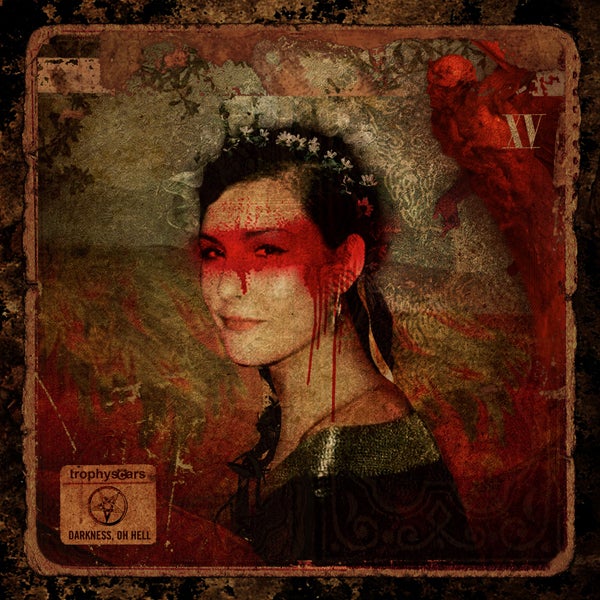 surprise. Trophy Scars calm instrumentation is replaced with more bluesy riffs and drumming that I think helps transitions into different sections of their songs perfectly Along with common instruments, trumpets and pianos are new norms in Trophy Scars repertoire. While this not only goes along with their new found jazz and swing sound, it goes great with their softer instrumental moments and especially the more bluesy moments. Jerry Jones also sees a change in his vocal styles. He keeps this traditional harshness but adds a bit of Tom Waits that is initially very polarizing, but grows into a great effect. Jones' soft vocals are also used more often and they are well done when used. The little nuances from Alphabet. Alphabets have no disappeared either. Many songs now
 contain samples or unique instruments to further the songs. This creates my initial questions, just what are Trophy Scars right now? Are they a jazz band with hardcore influences? A hardcore band with jazz influences? Is it fair to just call them experimental? Experimental is such a vague term though, I don't think it fits them. No matter what genre they really fall under, they're a great band that means a lot to me. I think they as a band have grown significantly and deserve more recognition for their accomplishments and originality. They've gone a long way and they've accomplished most of their feats solely on their own. Trophy Scars is a very DIY band so they handle most of their booking and management on their own. Overall, they're a great band with even greater potential in the future. I cannot wait to hear what else they produce.
Friday, February 17, 2012
Neutral Milk Hotel - In the Aeroplane over the Sea

Neutral Milk Hotel - In the Aeroplane over the Sea
This album has perplexed me since I had first listened to it. Along with Sigur Rós, Neutral Milk Hotel was a band that I just did not get when I was younger. When I first listened to them in fact, I found their music boring and their singer obnoxious. To me, this was just some hipster band people listened to for the sake of sounding superior. I revisited this album recently, and I was surprised when I was actually enjoying what I was listening to. I was shocked because I still do not get what makes this album "work".
The music is still relatively simple. I can appreciate their singer, Jeff Mangum, now more than I did previously, but I still think there are better singers out there and that he can be very polarizing. Their lyrics are still cryptic and difficult to relate to. Despite all of this though, I'm still attracted to their music, more so every time I listen to this record.
Whenever I hear the opening track, "King of Carrot Flowers Pt. 1", part of me just wants to start singing along, though I don't know all of the lyrics yet. Listening to the entire album just gives off such a feeling of completeness. I don't know what adventure I went on, or what happened on it, but something great happened because I feel fantastic.
Maybe I'll just realize it later. Maybe the album's greatness lies in its simplicity and I just don't see it yet. Maybe there is a more complex issue that I'm not getting, but this is a great album, even it does take some time to get used to it.
Oldies
One of my biggest gripes with some music listeners are music purists who only listen to one genre or one generation of music. Whether they're complaining that today's music is trash or yesterday's music is boring, all they're doing is denying themselves a chance to listen to something great. There is great music (and trash music) in every generation.
I felt like I've been focusing too much on the music of my lifetime and thought it would be a breather to dedicate a small blog on some of the music my grandparents would enjoy.

Sinatra easily ranks on my list of favorite singers. During his life, Sinatra was capable of great ranges and tones, making him an effective force in all of his songs. The songs themselves had a fantastic diversity. Though he stuck to the genres of swing and jazz, Sinatra's music can be smoothing, relaxing and relaxing depending on the song. Overall though, his music is very "feel-good" and always puts me in a brighter mood. It's easy to see why years after his death, Sinatra is still one of the largest figures of the swing generation and a symbol of American music.

I felt like I've been focusing too much on the music of my lifetime and thought it would be a breather to dedicate a small blog on some of the music my grandparents would enjoy.
Frank Sinatra
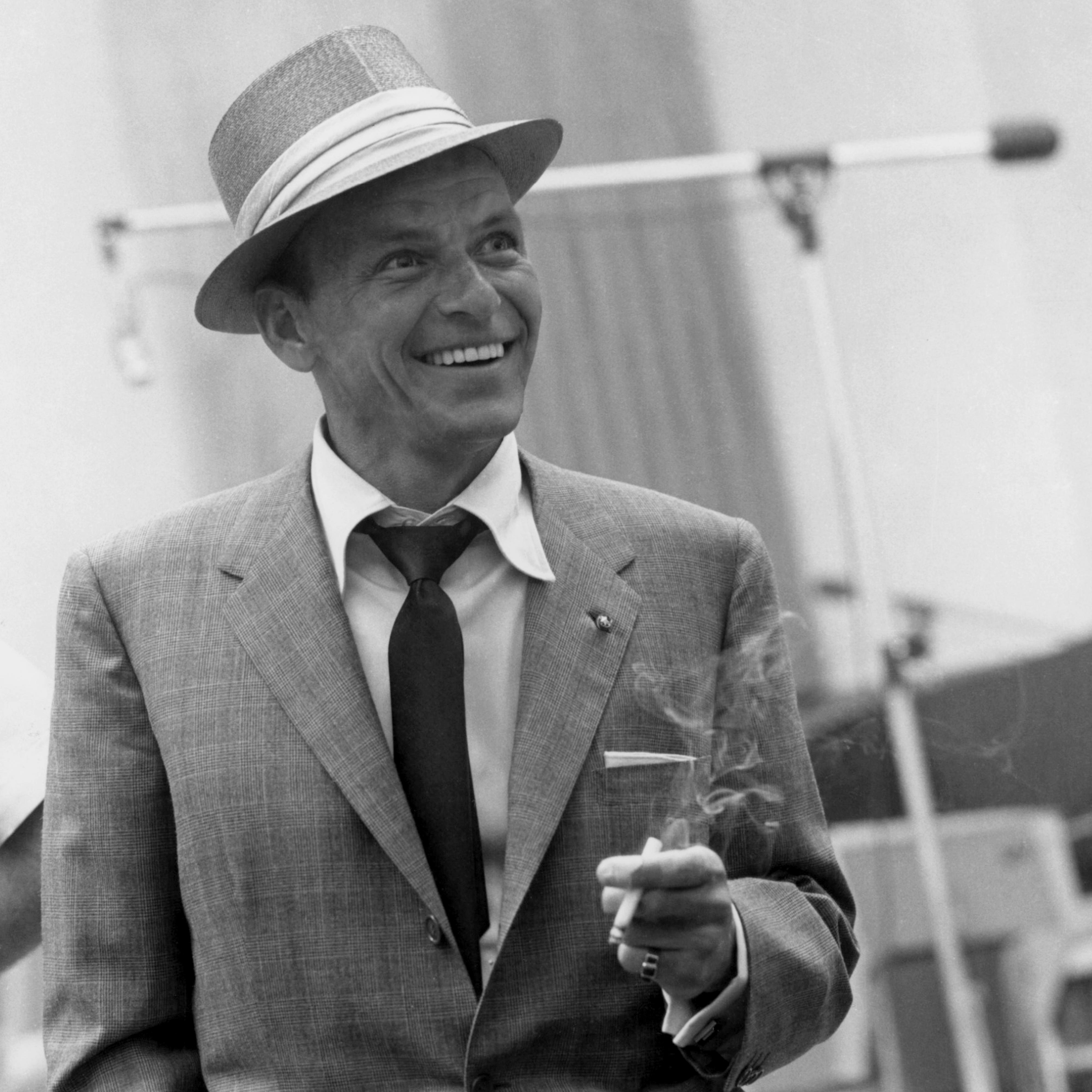

Sinatra easily ranks on my list of favorite singers. During his life, Sinatra was capable of great ranges and tones, making him an effective force in all of his songs. The songs themselves had a fantastic diversity. Though he stuck to the genres of swing and jazz, Sinatra's music can be smoothing, relaxing and relaxing depending on the song. Overall though, his music is very "feel-good" and always puts me in a brighter mood. It's easy to see why years after his death, Sinatra is still one of the largest figures of the swing generation and a symbol of American music.
Johnny Cash
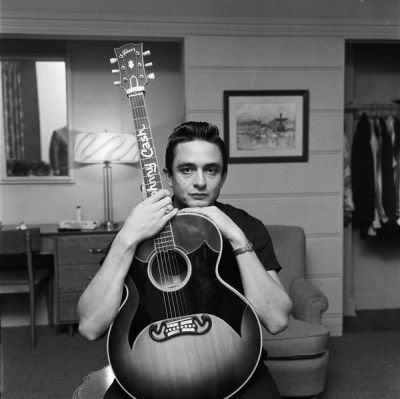
"The Man in Black" is to this day a country superstar. Very few dedicated country listeners do not know of Cash. Johnny Cash had a very low, but powerful voice. The beginning of his career was highlighted by themes of romance, patriotism and outlaws with Cash's sense of style that would help define the genre. Towards the end of his life though, Cash's music became much more harrowing and mournful. However, this did not deteriorate Cash's optimism, even though he was clearly going through hard times, coping with multiple diseases and the death of his wife. Cash's later songs dealt with death, sorrow and loss but also the potential of rebirth.
Saturday, February 4, 2012
90s Music
Being born in '93, I was not able to really appreciate the music of the decade of my birth. By the time I was seven, it was already the new millennium and an entire decade of music had passed me by. Granted, I still had heard those cheesy pop songs and some great hits by rock bands, but I did not get to truly experience and appreciate some of the albums that had been released in the previous decade until much later. When I finally revisited the 90s, it was odd how strangely nostalgic each album felt despite having never heard its entirety before. Perhaps it is not just the songs that make me feel nostalgic, it's the feel behind them that sends me back to my days as a child.
Weezer: It's probably the nerd in me that's so attached to this band, but Weezer really is great even though they produce really simple music. I think that Weezer's real strength was just their plain honesty about everything. Their debut self-titled and Pinkerton are so blunt that I can't help but love their music. Weezer wasn't out there to try to impress anyone, they just made music they loved about the actual (if not sometimes petty) issues in their lives.
Significant Albums: Weezer (Blue Album), Pinkerton
Third Eye Blind: One-hit wonders are common, but one-album wonders doesn't seem to be much of term commonly thrown around. It's a shame that Third Eye Blind kind of ended up being known for their self-titled. There was a brief moment in the 90s where I remember Third Eye Blind being huge, spawning multiple hit singles on their debut record and then simply fading into relative obscurity. For that time though, Third Eye Blind was good at what they did: making ridiculously catchy songs that get stuck in your head just thinking about them.
Significant Albums: Third Eye Blind
Nirvana: Likely one of the most defining bands of the decade, Nirvana is hard to ignore in any discussion of 90s music. Filled to the tip with teenage angst, it's easy to see why they had such an appeal to Generation X. Kurt Cobain's lyricism is a little strange in retrospect, often combining phrases that seem to have no apparent connection, but the music is very solid. Personally, I have loyalties to other grunge band though.
Significant Albums: Nevermind, In Utero
Pearl Jam: Pearl Jam took an unorthodox look at the grunge scene. Though still riddled with flannel and emotion, Pearl Jam took a more mature route than some of their contemporaries. While Nirvana was very simplistic about its lyrical subjects and music, Pearl Jam attempted to be more intricate. Their songs were often very introspective about personal conflicts with the self and with society. (Though, they did often just rock out for the sake of rocking out.) Eddie Vader's vocals are a powerful contributor to Pearl Jam's mature sound.
Significant Albums: Ten
Alice in Chains: My favorite grunge band. Alice in Chains were a heavy band while still maintaining their alternative rock sound. Alice in Chains were focused on inner conflict more than anything. Singer Layne Staley dealt with a lot of personal issues through his life and expressed his turmoil clearly through Alice in Chain's songs. Like Vader, Staley improved the band greatly by adding the perfect vocals to compliment the instruments. Overall, I've been impressed by every Alice in Chains release I've heard.
Significant Albums: Facelift, Dirt
Weezer: It's probably the nerd in me that's so attached to this band, but Weezer really is great even though they produce really simple music. I think that Weezer's real strength was just their plain honesty about everything. Their debut self-titled and Pinkerton are so blunt that I can't help but love their music. Weezer wasn't out there to try to impress anyone, they just made music they loved about the actual (if not sometimes petty) issues in their lives.
Significant Albums: Weezer (Blue Album), Pinkerton
Third Eye Blind: One-hit wonders are common, but one-album wonders doesn't seem to be much of term commonly thrown around. It's a shame that Third Eye Blind kind of ended up being known for their self-titled. There was a brief moment in the 90s where I remember Third Eye Blind being huge, spawning multiple hit singles on their debut record and then simply fading into relative obscurity. For that time though, Third Eye Blind was good at what they did: making ridiculously catchy songs that get stuck in your head just thinking about them.
Significant Albums: Third Eye Blind
Nirvana: Likely one of the most defining bands of the decade, Nirvana is hard to ignore in any discussion of 90s music. Filled to the tip with teenage angst, it's easy to see why they had such an appeal to Generation X. Kurt Cobain's lyricism is a little strange in retrospect, often combining phrases that seem to have no apparent connection, but the music is very solid. Personally, I have loyalties to other grunge band though.
Significant Albums: Nevermind, In Utero
Pearl Jam: Pearl Jam took an unorthodox look at the grunge scene. Though still riddled with flannel and emotion, Pearl Jam took a more mature route than some of their contemporaries. While Nirvana was very simplistic about its lyrical subjects and music, Pearl Jam attempted to be more intricate. Their songs were often very introspective about personal conflicts with the self and with society. (Though, they did often just rock out for the sake of rocking out.) Eddie Vader's vocals are a powerful contributor to Pearl Jam's mature sound.
Significant Albums: Ten
Alice in Chains: My favorite grunge band. Alice in Chains were a heavy band while still maintaining their alternative rock sound. Alice in Chains were focused on inner conflict more than anything. Singer Layne Staley dealt with a lot of personal issues through his life and expressed his turmoil clearly through Alice in Chain's songs. Like Vader, Staley improved the band greatly by adding the perfect vocals to compliment the instruments. Overall, I've been impressed by every Alice in Chains release I've heard.
Significant Albums: Facelift, Dirt
Saturday, January 28, 2012
New interests
A common cliche states there is nothing like the classics. To some degree, I agree with this. There is a great feeling of nostalgia that comes with listening to music from our younger days that is incomparable. I remember earlier last year listening to Third Eye Blind's self-titled and enjoying every single memory of the 90s that came packaged with that album. I wasn't even that big on music in the 90s, but it still felt a great rush of bliss when Semi-Charmed Life came on.
Though nostalgia can be a very pleasant emotion when it comes to music, I don't think anything compares to finding something completely new and falling in love with it right away. I think that knowing that this artist will last with you for years to come is such a fulfilling experience. Instead of revisiting old memories, you're forming new ones, which can be just as, if not even more, rewarding. I'd like to share some of my recent discoveries.
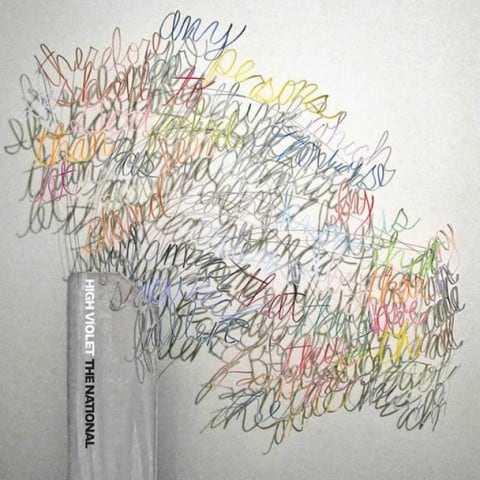
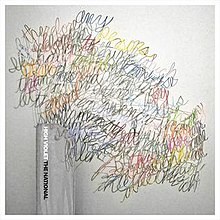
 The National is an alternative/indie band from Cincinnati, Ohio. They are comprised of singer Matt Berninger and a two pairs of brothers: Aaron and Bryce Dessner and Scott and Bryan Devendorf. The National play a wistful form of indie rock with primary focuses on the vocals and several nuances throughout their songs. Berninger has an excellent baritone voice that is capable of not only a great musical range, but a diverse emotional range as well. Though I try to not to place too much emphasis on one member of the band, Berninger makes The National what they are. Whatever mood The National wish to convey, Berninger has just the right technique to emphasis their overall message and make the listeners feel what he is feeling. The instruments however do have their part to play and they play it quite well. The brothers do not try to show off, but they seem to have the innate ability to place fantastic instrumental moments at just the right time in their songs. Overall, The National supply me a sense of great serenity and allow me to reflect on both the heavy and simple aspects of life.


Though nostalgia can be a very pleasant emotion when it comes to music, I don't think anything compares to finding something completely new and falling in love with it right away. I think that knowing that this artist will last with you for years to come is such a fulfilling experience. Instead of revisiting old memories, you're forming new ones, which can be just as, if not even more, rewarding. I'd like to share some of my recent discoveries.
The National
Moving Mountains

Moving Mountains is an experimental band from Purchase, New York. Moving Mountains is difficult to describe. Critics often describe them as a mix between The Appleseed Cast and Thrice. If you are familiar with those bands, you could see how this is odd mix. The Appleseed Cast is an emo/post-rock band with a focus on atmosphere while Thrice is a melodic/post-hardcore band with experimental tendencies. Though this may sound like a completely incompatible pair, Moving Mountains surprised me by not only combining elements of the two bands, but by doing so in an excellent fashion. Moving Mountains' ability to manipulate auditory perceptions is nearly ethereal. Often, I find that the most enthralling musical environments come from skilled progressive rock bands, but Moving Mountains reaches by the first song on either of their albums. What I find most impressive though is how they implement the "Thrice" elements into their songs. Thrice is not focused on screaming despite being labeled as a hardcore band and neither are Moving Mountains. Moving Mountains borrows from Thrice great vocals and a great potential to experiment with different sounds to compliment their original style. Moving Mountains is a brilliant and young band who I hope to hear more of soon.
Sigur Rós

It is common to associate the word "intense" with metal, punk, or, at the very least, heavy alternative rock bands. Before hearing Sigur Rós, that was my perception of what "intense" music is. However, upon listening to this amazing band, my definition of intense was drastically changed. Sigur Rós does not initially appear to be all that exciting at all. The instruments are played softly (lead singer Jónsi even plays his guitar with a violin bow) and the vocals are sung in Icelandic with a high falsetto. When I had heard this band a few years ago, I could not be more distant from them. They were just so strange and minimalistic that I could not grasp why people enjoyed them. When I looked into them again late last year, I felt a complete reversal. I could not grasp why I didn't love this band the moment I heard them. Sigur Rós are not intense because they're brutal or abrasive, they are intense because they completely submerge you in the music. They combine multiple instruments to produce as many different experiences as possible. Classical, folk, indie, whatever you want to call it, Sigur Rós has just the song to fight the mood. Their songs are often prolonged, but they are drawn out to provide excellent build ups with astonishing and epic conclusions that leave me impressed every time. Few bands are capable of doing what Sigur Rós does.
Friday, January 20, 2012
Circa Survive
Circa Survive is an experimental rock band from Philadelphia, Pennsylvania. They combine elements of progressive rock, post-hardcore and ambient to create a wide array of different sounds in their music. Circa Survive was formed after vocalist Anthony Green left his previous band Saosin in favor of a more experimental sound. Since 2004, the band has been developing their sound through experimentation with different genres and sounds to re-invent themselves with each release. They frequently collaborate with artist Esao Andrews, who produces their album artwork.
Juturna (2005)


Juturna (2005)

Circa Survive's debut album Juturna is one of their more ambient releases. Often, the songs are very quiet and focus heavily on soft instrumentation. They do not however keep themselves attached to this style and still try a more explosive sound that will be heard on later albums. The combination of these styles along with Green's high and airy vocals creates a very peaceful, yet atmospheric feeling through out the album. Though the songs are very consistent in quality, the only major fault I can find with the album is the production. Granted, it does contribute slightly to the album's tone, it is often not as clear as I would like it to be sometimes, making it difficult to fully appreciate all of the album's factors. Still, Juturna is a very solid release.
Recommended Songs: Holding Someone's Hair Back, Act Appalled, The Great Golden Baby, House of Leaves (Hidden Track)
On Letting Go (2007)

This album is incredibly well done. The production faults of Juturna are fixed in On Letting Go, creating some much needed clarity in Circa Survive's songs. On Letting Go is also very energized in comparison to their previous release, with a shift in their sound toward more fast-paced and amplified guitars. I believe that this sound compliments their melodies quite well and shows that the band is capable of escaping certain aspects of their music while still retaining their overall tone. They still leave plenty of room for more ambient and slower songs, which go along well with the alternative/progressive rock songs, often blending the two contrasting elements.
Recommended Songs: Living Together, In the Morning and Amazing..., The Difference Between Medicine and Poison is in the Dose, Travel Hymn, On Letting Go, Your Friends are Gone
Blue Sky Noise (2010)

Easily Circa Survive's most controversial release yet, Blue Sky Noise further departs from the atmospheric roots from Juturna and heads into a surprisingly pop direction. Though there is still a prominent influence from more ambient/calm sounds, Circa Survive ventured into more conventional song structure in Blue Sky Noise. However, this has not made them boring in the slightest. By getting into more pop structure, Circa Survive has merely added it to their repertoire, allowing them to blend previous sounds with this new one with relative ease. While some songs are more traditional of Circa Survive, (Glass Arrows, Dyed in the Wool) more catchy (Strange Terrain, I Felt Free) and even in-your-face (Get Out) styles of music can be explored. As long as Circa Survive continues to add new sounds to their music, they can continuously impress already established fans and attract newcomers as well.
Recommended Songs: Strange Terrain, Get Out, Glass Arrows, I Felt Free, Fever Dreams, The Longest Mile, Dyed in the Wool
Friday, January 13, 2012
Brand New - The Devil and God are Raging Inside Me

Brand New - The Devil and God are Raging Inside Me
Brand New is a alternative rock band from Long Island, New York. They are currently made up of band members Jesse Lacey, (lead vocals, rhythm guitarist) Vincent Accardi, (lead guitarist, backing vocals) Brian Lane, (drums) Garrett Tierney, (bass guitar, backing vocals) and Derrick Sherman. (keyboards, guitars, backing vocals) They have at this time released four studio albums: Your Favorite Weapon, Deja Entendu, The Devil and God are Raging Inside Me, and Daisy. I would like to focus this post on their third release, 2006's The Devil and God are Raging Inside Me.
Brand New are not known for being a "happy" band by any means. Often dark and personal, Jesse Lacey's lyrics tend to focus on the more tragic aspects of human life. Dealing with themes of isolation, death, self-depreciation and loss, Brand New paints a draining portrait of existence. The music itself often transitions from soft, sorrowful moments to loud, cathartic exclamations that helps amplify the mental and emotional confusion represented in the lyrics. However, despite the album's overall depressing tone, there is certain appreciation for life that creeps out of the songs that makes living satisfying once again.
1. Sowing Season (Yeah)
The album's opener starts off very slowly with only light instrumentation and soft vocals. However, by the time the chorus kicks in, this picture of serenity is shattered with the simple word, "Yeah." With that word, the music explodes along with the vocals to create an overall satisfying listen and a promising start to the album. Sowing Season creates a good example of the abrasive, yet brutally honest, nature of this album.
2. Millstone
To put it bluntly, this is a very harsh song. With opening lyrics, "I used to be such a burning example/I used to be so original/I used to care I was being cared for/Made sure I showed it to those that I loved," Millstone expresses a sense of nostalgic regret, both longing to return to more innocent times and desiring to right past wrongs. Mournful, even by Brand New standards, this is just the openness I love to hear from Brand New.
3. Jesus
Similar to Millstone, this song has a feeling of intense regret for failures in the past. Jesus adds another flavor to the mix by showing uncertainty and doubt plague a troubled mind.
4. Degausser
Degausser is another one of Brand New's more "quiet" songs, but it still manages to get its point across quite well. A well placed group chant makes this song for me, as it shows just how well Brand New is at conveying their thoughts in creative ways.
5. Limousine
This is undoubtedly one of the most depressing songs I've ever heard. Focused on the tragic tale of Katie Flynn, a 7-year old who was decapitated after her aunt's wedding in a car crash, this song starts off bleak, but grows into a anthem for the appreciation of life. I think Brand New not only wanted to tell a story, but they want their listeners to reflect on the life they're leading and to enjoy it now, because it will end eventually.
6. You Won't Know
Another song like Sowing Season that starts off very quiet, but erupts into a fast paced and in your face song in the chorus. I think if Brand New has any definite strength, it's their ability to combine contrasting loud and soft sounds in the matter of seconds if necessary.
7. Welcome to Bangkok
Unlike the typical Brand New song, Welcome to Bangkok contains no vocals. This is a bit of a creepy song with very intense instruments. I may not be entirely sure what the purpose of this song is, but I wouldn't replace it. It works as an excellent bridge to the rest of the album.
8. Not the Sun
Not the Sun starts off with a quick bass introduction and is followed by strangely upbeat guitar chords. This song is more reminiscent of their older material, which is a nice throwback. Despite the more pop rock sound, this songs still fits in well with the rest of the album and is one of my personal favorites.
9. Luca
If I would label this song as anything, I'd call it haunting. Lacey's vocals and lyrics create an eerie and suspicious atmosphere that left me wondering what direction this song was heading in when I first heard it. They didn't let me down though and were able to wrap the song up nicely. Luca is probably one of the best songs on the album.
10. Untitled
A short, simple and quick song. Nothing extravagant, but I respect it for its simplicity.
11. The Archers' Bows Have Broken
Lacey experiments with a more unconventional style of singing here that was a little hard for me to get used to. I used to think that this was the weakest song on the album, but after a while it grew on me. The vocals may be different but they do add a lot to the song. The instruments here have a strong presence and manage to add just enough at the right moments to make this a great song.
12. Handcuffs
The acoustic guitar driven closer makes the perfect end to The Devil and God are Raging Inside Me. Calm, yet just as dark as Brand New's other songs, I think Handcuffs manages to lull the listener to some sense of serenity as the album finishes.
This is undoubtedly one of the most depressing songs I've ever heard. Focused on the tragic tale of Katie Flynn, a 7-year old who was decapitated after her aunt's wedding in a car crash, this song starts off bleak, but grows into a anthem for the appreciation of life. I think Brand New not only wanted to tell a story, but they want their listeners to reflect on the life they're leading and to enjoy it now, because it will end eventually.
6. You Won't Know
Another song like Sowing Season that starts off very quiet, but erupts into a fast paced and in your face song in the chorus. I think if Brand New has any definite strength, it's their ability to combine contrasting loud and soft sounds in the matter of seconds if necessary.
7. Welcome to Bangkok
Unlike the typical Brand New song, Welcome to Bangkok contains no vocals. This is a bit of a creepy song with very intense instruments. I may not be entirely sure what the purpose of this song is, but I wouldn't replace it. It works as an excellent bridge to the rest of the album.
8. Not the Sun
Not the Sun starts off with a quick bass introduction and is followed by strangely upbeat guitar chords. This song is more reminiscent of their older material, which is a nice throwback. Despite the more pop rock sound, this songs still fits in well with the rest of the album and is one of my personal favorites.
9. Luca
If I would label this song as anything, I'd call it haunting. Lacey's vocals and lyrics create an eerie and suspicious atmosphere that left me wondering what direction this song was heading in when I first heard it. They didn't let me down though and were able to wrap the song up nicely. Luca is probably one of the best songs on the album.
10. Untitled
A short, simple and quick song. Nothing extravagant, but I respect it for its simplicity.
11. The Archers' Bows Have Broken
Lacey experiments with a more unconventional style of singing here that was a little hard for me to get used to. I used to think that this was the weakest song on the album, but after a while it grew on me. The vocals may be different but they do add a lot to the song. The instruments here have a strong presence and manage to add just enough at the right moments to make this a great song.
12. Handcuffs
The acoustic guitar driven closer makes the perfect end to The Devil and God are Raging Inside Me. Calm, yet just as dark as Brand New's other songs, I think Handcuffs manages to lull the listener to some sense of serenity as the album finishes.
Subscribe to:
Comments (Atom)