 Trophy Scars is a complicated band. While initially starting off with a straight-forward post-hardcore sound, Trophy Scars later began to branch off into multiple genres not commonly witness in their scene. With an eclectic range of influences that allow them to implement various styles into their own brand, Trophy Scars is a band that never seems to stop growing and is always impressive.
Initial Sound:
Darts to the Sea, Hospital Music for the Aesthetics of Language, Goodnight Alchemy

 As previously stated, Trophy Scars began as more of a post-hardcore act. Even then however, Trophy Scars was prepared to separate themselves from the rest of the pack. This can be seen in the groundwork that establishes the band in their later work and how it evolves in later albums. Trophy Scars lyricism is a clear distinction from other hardcore bands. Most of their lyrics are in the style of narratives, sometimes switching between first- and third-person point of views in between songs. (Even when telling personal stories about the band members themselves.) Trophy Scars songs often feel like stories about romance, tragedy and personal connections set to music. The music itself helps to amplify the effect that these stories have on the listener. Unlike other hardcore bands that focus on fast-paced riffs and drumming, Trophy Scars is willing to go to calmer paces to emphasize the more tragic elements of their songs. While they are not afraid to use breakdowns and other techniques commonly associated with hardcore bands, Trophy Scars uses them sparingly to increase the effect rather than move from riff to riff in a pointless spontaneous fashion. This both contrast and compliments vocalist Jerry Jones. Jones uses a particularly harsh scream that in enhances the anguish of their lyrics more than conventional vocals. He's often thought of as a detractor to the band by non-fans, but I consider him a vital part of the band's flow. Jones does a great way of combining the band's influences in his vocals alone. Though it may not be as apparent on their earlier material, later releases will see Jones as a key figure in their signature sound. Still, through out their career, Jones provides an effect that would be completely lost if Trophy Scars had any other vocalist.
 Alphabet. Alphabets.

In some ways, the release of their second-full length, Alphabet. Alphabets., saw a strange mix of what Trophy Scars was and what they would later develop into. Still keeping true to their post-hardcore roots, Trophy Scars consistently kept to their initial sound. However, it was the little nuances in each song that later established Trophy Scars as the post-hardcore band it is currently. Nearly every single song tries to deviate from post-hardcore norms by featuring unconventional styles. Artist. Artists. has a few progressive moments added, especially in the guitars. Assistants. Assistants. incorporates an well-timed group chant that is not only very catchy but helps convey the overall message of the song. Assassin. Assassin. even includes a hip-hop section that is so strange but works so well. Combined with hardcore songs like Yes. and No. with instrument and sample heavy songs like Alligator. Alligators., Trophy Scars saw a dramatic difference from their previous material with this release. While their later sound may be a bit odd, it is understandable given the development in this album.
 A question I commonly ask myself when listening to newer Trophy Scars is just how to define them. Over the period between Alphabet. Alphabets. and Bad Luck, Trophy Scars expanded their horizons greatly to become a completely new band. Newer Trophy Scars contains heavy blues, jazz, and swing influence that still manage to include their hardcore past. This is just such a unique mix that I'm still kind of baffled by it to this day. In terms of experimentation, Trophy Scars has surpassed the standard set on Alphabet. Alphabets. The instruments are much diverse. The usual line-up is still there though, they've just drastically changed how they want they play. Guitars/drums are much more exciting with swing and jazz moments that completely set the mood for much more variation and
  surprise. Trophy Scars calm instrumentation is replaced with more bluesy riffs and drumming that I think helps transitions into different sections of their songs perfectly Along with common instruments, trumpets and pianos are new norms in Trophy Scars repertoire. While this not only goes along with their new found jazz and swing sound, it goes great with their softer instrumental moments and especially the more bluesy moments. Jerry Jones also sees a change in his vocal styles. He keeps this traditional harshness but adds a bit of Tom Waits that is initially very polarizing, but grows into a great effect. Jones' soft vocals are also used more often and they are well done when used. The little nuances from Alphabet. Alphabets have no disappeared either. Many songs now
 contain samples or unique instruments to further the songs. This creates my initial questions, just what are Trophy Scars right now? Are they a jazz band with hardcore influences? A hardcore band with jazz influences? Is it fair to just call them experimental? Experimental is such a vague term though, I don't think it fits them. No matter what genre they really fall under, they're a great band that means a lot to me. I think they as a band have grown significantly and deserve more recognition for their accomplishments and originality. They've gone a long way and they've accomplished most of their feats solely on their own. Trophy Scars is a very DIY band so they handle most of their booking and management on their own. Overall, they're a great band with even greater potential in the future. I cannot wait to hear what else they produce.
Later Sound:
Bad Luck; Darkness, Oh Hell; Never Born, Never Dead
 A question I commonly ask myself when listening to newer Trophy Scars is just how to define them. Over the period between Alphabet. Alphabets. and Bad Luck, Trophy Scars expanded their horizons greatly to become a completely new band. Newer Trophy Scars contains heavy blues, jazz, and swing influence that still manage to include their hardcore past. This is just such a unique mix that I'm still kind of baffled by it to this day. In terms of experimentation, Trophy Scars has surpassed the standard set on Alphabet. Alphabets. The instruments are much diverse. The usual line-up is still there though, they've just drastically changed how they want they play. Guitars/drums are much more exciting with swing and jazz moments that completely set the mood for much more variation and
 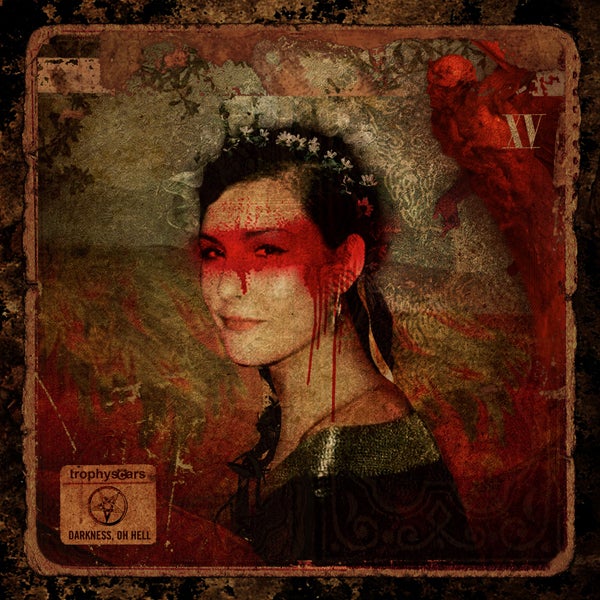 surprise. Trophy Scars calm instrumentation is replaced with more bluesy riffs and drumming that I think helps transitions into different sections of their songs perfectly Along with common instruments, trumpets and pianos are new norms in Trophy Scars repertoire. While this not only goes along with their new found jazz and swing sound, it goes great with their softer instrumental moments and especially the more bluesy moments. Jerry Jones also sees a change in his vocal styles. He keeps this traditional harshness but adds a bit of Tom Waits that is initially very polarizing, but grows into a great effect. Jones' soft vocals are also used more often and they are well done when used. The little nuances from Alphabet. Alphabets have no disappeared either. Many songs now
 contain samples or unique instruments to further the songs. This creates my initial questions, just what are Trophy Scars right now? Are they a jazz band with hardcore influences? A hardcore band with jazz influences? Is it fair to just call them experimental? Experimental is such a vague term though, I don't think it fits them. No matter what genre they really fall under, they're a great band that means a lot to me. I think they as a band have grown significantly and deserve more recognition for their accomplishments and originality. They've gone a long way and they've accomplished most of their feats solely on their own. Trophy Scars is a very DIY band so they handle most of their booking and management on their own. Overall, they're a great band with even greater potential in the future. I cannot wait to hear what else they produce.
No comments:
Post a Comment